A home that cuts 80% of its plastic waste doesn’t start with a grand plan. It usually starts with one moment of noticing—like realizing the recycling bin fills up faster than the fridge, or that the trash bag is mostly packaging instead of actual “trash.” Once you see it, you can’t unsee it, and that’s when small shifts begin to feel natural instead of forced.
🧺 The places where plastic quietly piles up
Grocery packaging, Amazon deliveries, bathroom bottles, cleaning supplies, takeout containers—plastic enters the home in small, steady waves. Reducing it isn’t about perfection; it’s about slowing that flow so your home feels lighter. Many people say their house feels cleaner and more organized once they make a few simple swaps.
🥑 The kitchen: where the biggest wins happen
The kitchen is the heart of plastic waste in most U.S. homes, but it’s also the easiest place to see fast results.
- Reusable grocery bags stop the endless pile of plastic bags under the sink.
- Buying fewer single‑serve items cuts plastic and saves money.
- Glass containers and silicone bags replace plastic wrap and make the fridge look more put‑together.
- Choosing unpackaged produce becomes second nature.
Even one or two of these changes can dramatically shrink your weekly trash.
🚿 The bathroom: the bottle zone
American bathrooms are full of plastic—shampoo, conditioner, body wash, razors, cotton rounds, cleaning sprays. But this room is surprisingly easy to simplify.
Bar shampoos last longer. Reusable cotton rounds feel nicer. Refill pouches take up less space. A razor with replaceable blades feels more solid in your hand. The whole room starts to look more like a spa and less like a drugstore aisle.
🧼 Cleaning supplies: the hidden plastic mountain
Laundry detergent jugs, spray bottles, dish soap containers—cleaning products create a surprising amount of plastic waste. This is also where modern low‑waste brands have made the biggest improvements.
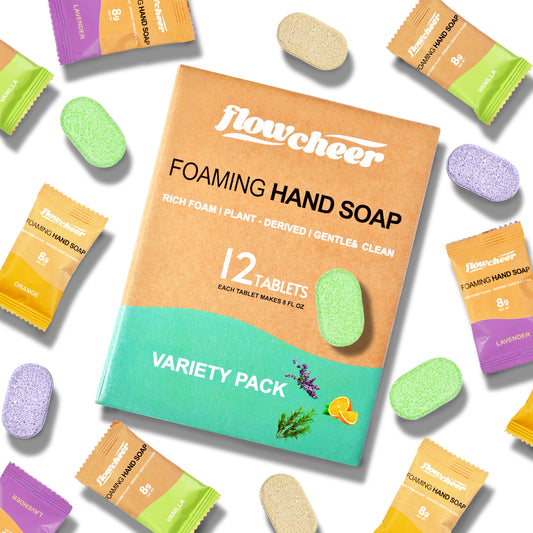
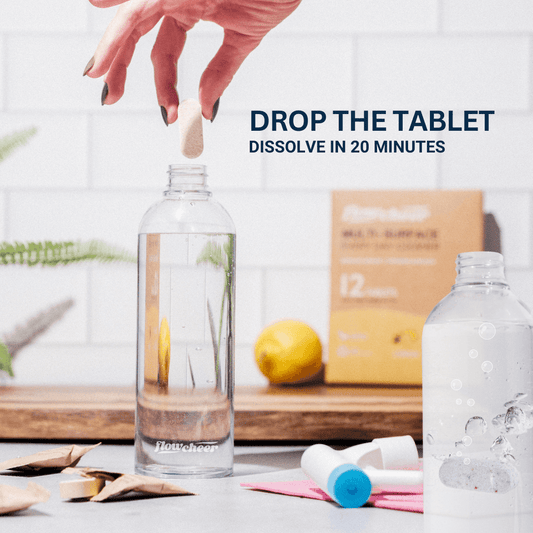
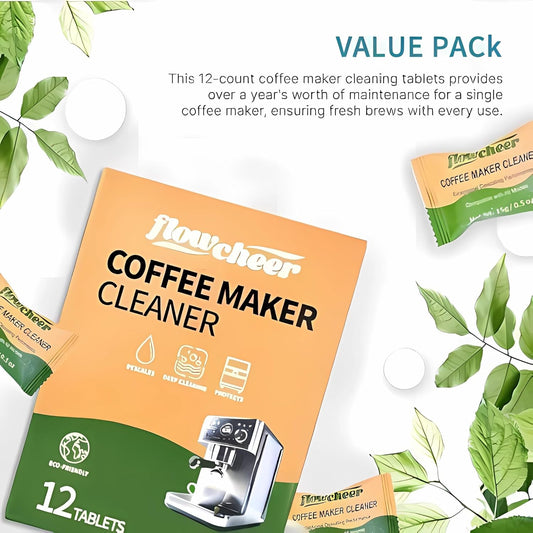
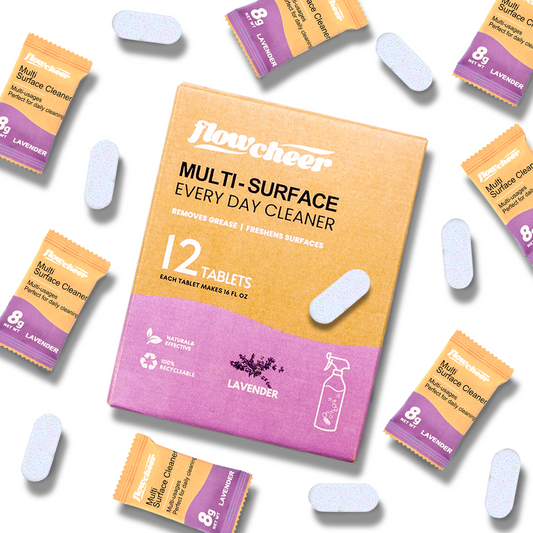
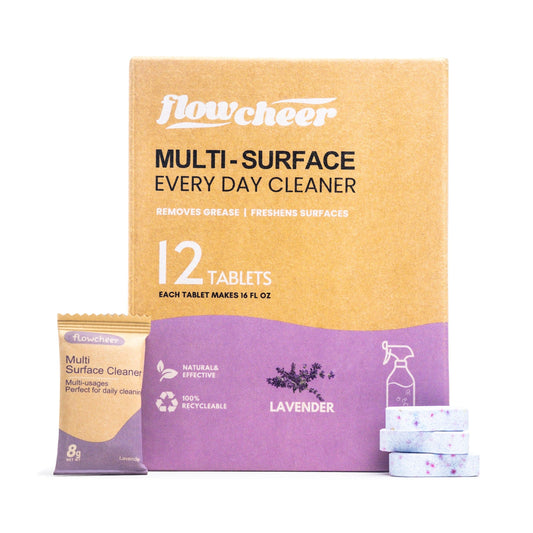
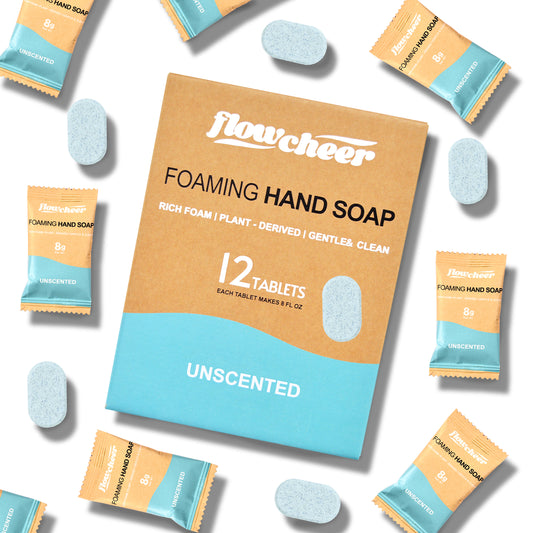
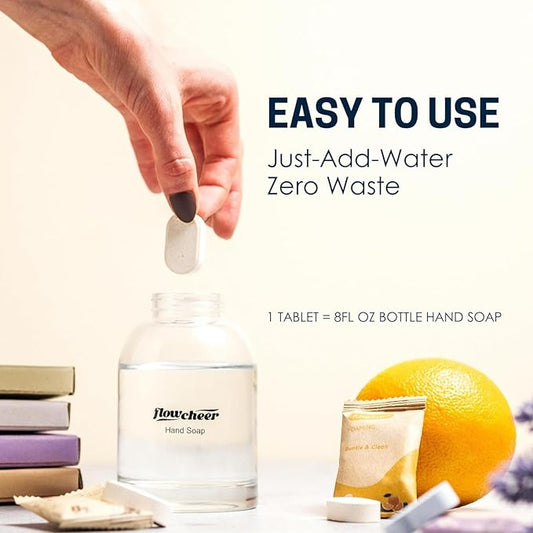
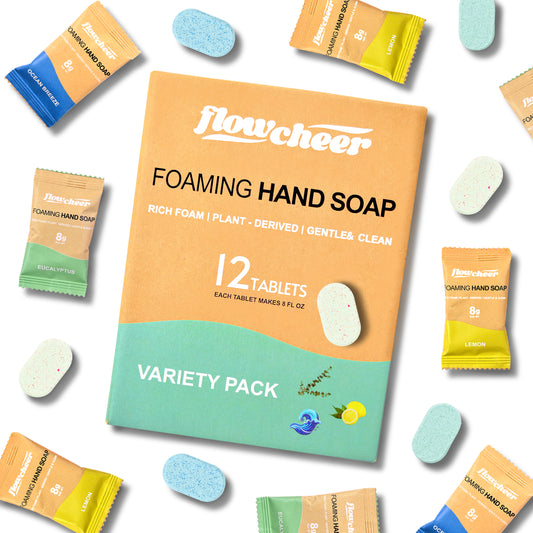
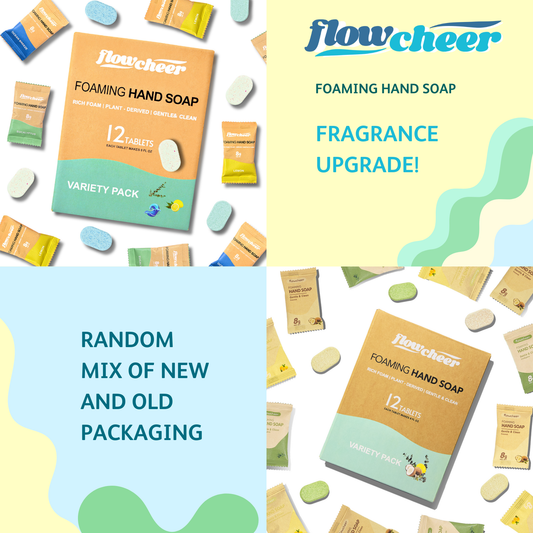
Concentrated cleaners, tablets, and refillable bottles shrink that waste instantly. And compact, low‑waste products—like Flowcheer’s multi‑surface cleaner tablets, foaming hand soap tablets, and appliance cleaners—replace bulky plastic bottles with something small, lightweight, and easy to store. You keep the same spray bottle or soap dispenser and simply refill it, cutting plastic without changing your routine.
Cabinets look cleaner, shelves feel less crowded, and you stop throwing away bottle after bottle.
🛒 The shopping cart sets the tone
Plastic doesn’t magically appear in the home; it arrives through your shopping choices. A few small shifts change everything:
- Choosing items with minimal or recyclable packaging
- Supporting brands that offer refills or low‑waste formats
- Buying fewer “just in case” items
- Picking quality over quantity
The less plastic you bring home, the less you have to deal with later.
🌱 A lighter home, a lighter footprint
Reducing 80% of your plastic waste isn’t about guilt or sacrifice. It’s about creating a home that feels calmer, cleaner, and more intentional. You save money, reduce clutter, and make choices that feel good—not just for the planet, but for your everyday life.